
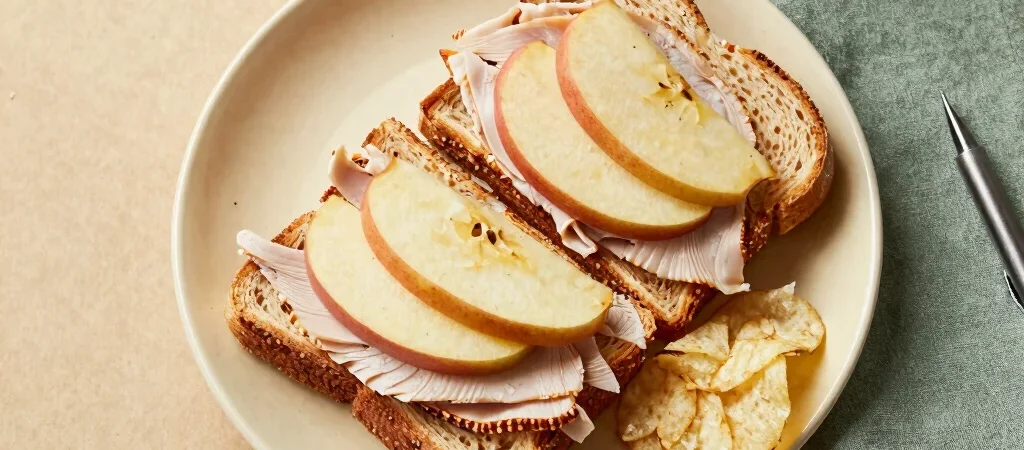
Lunch is a turkey sandwich, a handful of chips, and the apple you grabbed on the way out. Logging only the sandwich because the rest feels hard to estimate leaves out part of the meal—and part of the picture. Macro tracking works better when the goal is a useful record, not a perfect one.
Start With What You Ate
Record the meal as it happened, including the spread on the bread or the milk in your coffee if those details matter to you. When a portion is uncertain, choose a reasonable estimate and keep moving. A practical entry is more informative than skipping a meal because you can’t reconstruct it exactly.
In the Vitalis macro tracker, the point is to connect foods with the numbers you’re following. Those numbers can help you notice patterns across meals, but they don’t tell the whole story of a day by themselves. Context matters: a quick desk lunch and a relaxed dinner may look different, and both belong in the record.
Look for Patterns, Not Grades
One meal rarely explains much on its own. Look across several ordinary days: which breakfasts keep you satisfied until lunch, or which workdays make planning dinner harder? These observations can help you make a small adjustment that fits your routine.
Try reviewing your entries without labeling them good or bad. If a meal is difficult to log, note what made it hard—an unfamiliar recipe, shared dishes, or a rushed break. That detail can help you plan a more useful estimate next time.
Make the Next Choice Easier
A log should support the next meal, not turn the last one into a verdict. If lunch was lighter than expected, you can use that information when planning an afternoon snack or dinner. You don’t need to compensate; you just have a little more context.
Use the Vitalis app to track what you can, then return to your day. The most useful log is one you can keep up with and learn from. Start with an honest estimate, and let consistency—not perfection—make the details easier to see.